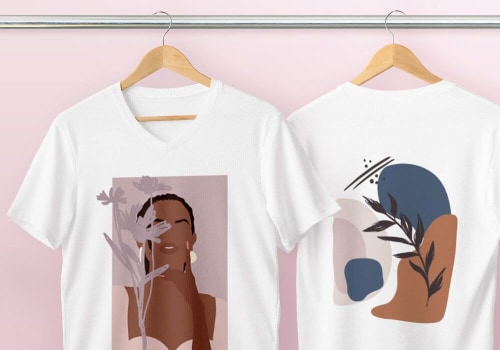
Creating a custom T-shirt design is an exciting process that blends creativity, planning, and technical execution. Whether for personal use, branding, or special events, custom T-shirts allow individuals to express ideas in a wearable form. The process begins with identifying the purpose of the design—whether it’s for a business, a celebration, or simply a creative outlet. Having a clear vision helps guide decisions related to style, color, and overall composition, ensuring the final product aligns with your intended message.
Concept Development and Design Planning
The next step involves developing a strong concept. This includes brainstorming ideas, sketching rough drafts, and determining the theme of the T-shirt. Designers often draw inspiration from various sources, including current trends, personal experiences, and even high-end fashion aesthetics. For instance, observing how brands maintain a consistent visual identity can inspire thoughtful and cohesive design choices. During this stage, it’s important to consider typography, imagery, and layout to create a balanced and visually appealing design.
Choosing the Right Materials and Colors
Material selection plays a significant role in the success of a custom T-shirt. Cotton is a popular choice due to its comfort and breathability, while blends can offer added durability and stretch. The color of the T-shirt should complement the design rather than compete with it. Neutral tones often provide a versatile base, while bold colors can make a statement. It’s also essential to think about how the design will appear on different fabric shades, as contrast and visibility are key factors in creating an effective final product.
Selecting a Printing Method
Once the design is finalized, the next step is choosing the appropriate printing method. Common techniques include screen printing, heat transfer, and direct-to-garment (DTG) printing. Screen printing is ideal for bulk orders and designs with limited colors, while DTG is better suited for intricate, multi-colored artwork. Heat transfer offers flexibility for smaller runs or one-off designs. Each method has its advantages, so selecting the right one depends on your design complexity, budget, and production needs.
Production and Quality Control
After selecting a printing method, the design moves into production. This stage involves transferring the artwork onto the T-shirt using the chosen technique. Quality control is crucial here—checking for alignment, color accuracy, and print durability ensures the final product meets expectations. Even small errors can impact the overall look, so careful inspection is necessary before finalizing the batch. Proper curing or setting of the print is also important to ensure the design remains intact after washing and regular wear.
Adding Personal Touches and Finishing Details
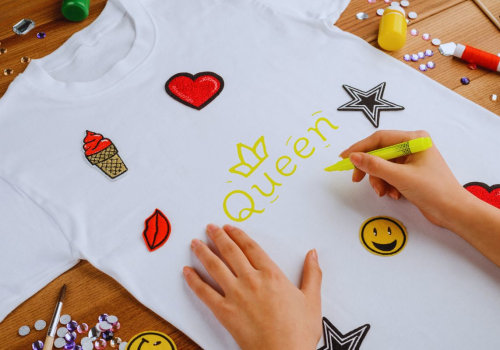
To make your custom T-shirt truly unique, consider adding finishing touches such as custom tags, packaging, or special design elements like embroidery or embellishments. These details can elevate the perceived value of the product and create a more professional appearance. Personalization, such as names or limited-edition prints, can also enhance the appeal and make the T-shirt more meaningful to the wearer.
Conclusion
The process of creating a custom T-shirt design involves multiple steps, from concept development to final production. By carefully planning each stage—designing, selecting materials, choosing printing methods, and ensuring quality—you can create a product that is both visually appealing and durable. With creativity and attention to detail, custom T-shirts can serve as a powerful form of self-expression and a valuable addition to any wardrobe or brand.